Gallery · Captain Kidd · Room 7 of 9
The Return and the Arrest
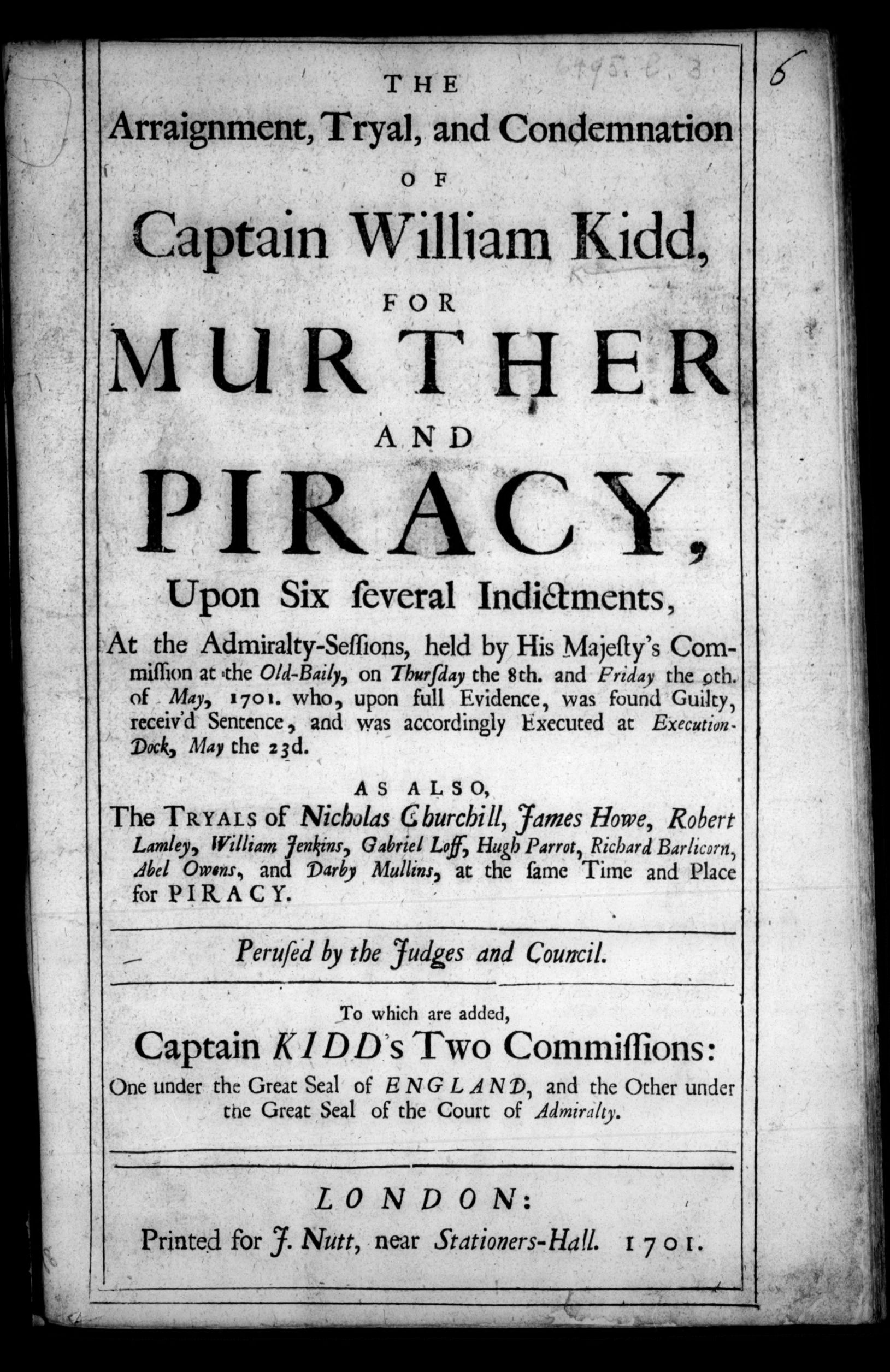
Kidd came back. That fact deserves more attention than it usually gets.
A man who believed himself a pirate had the whole Atlantic world to vanish into. Kidd instead returned to North America in 1699, carrying the French passes, apparently expecting the papers and his backers to hold. He sailed toward his patron.
The patron was the Earl of Bellomont: investor in the venture at its beginning, colonial governor at its end. Bellomont ordered Kidd's arrest. Both of Bellomont's roles are confirmed in correspondence and official records. What connected them, whether the arrest was duty, self-protection or both at once, is interpretation, and the interpretation piece on Kidd's political fall argues it as interpretation rather than fact.
What the arrest did is not in doubt. It moved Kidd from the custody of his own judgement into the machinery of the state, and it moved the passes into official hands. Kidd would next make his argument in a London courtroom. The papers he was counting on would not be there.