Gallery · The End of the Golden Age · Room 8 of 9
The Name
The events in the last seven rooms were real, dated and documented. The name was neither of those things when they happened. No pirate in this Collection ever called his age golden, and the phrase that now covers all of them was coined long after the last of them was hanged.
The earliest systematic use yet found is a chapter title. John Fiske headed Chapter XVI of Old Virginia and Her Neighbours, in 1897, and the wording is worth reading exactly, because it is "of Pirates", not "of Piracy".
"The Golden Age of Pirates"
An earlier casual use is attributed to the journalist George Powell in 1894, but Powell's own text has not been read, so the attribution rests on a later carrier and the room carries it one step below the Fiske coinage. Probable The 1897 use is Confirmed from Fiske's own text and is the anchor.
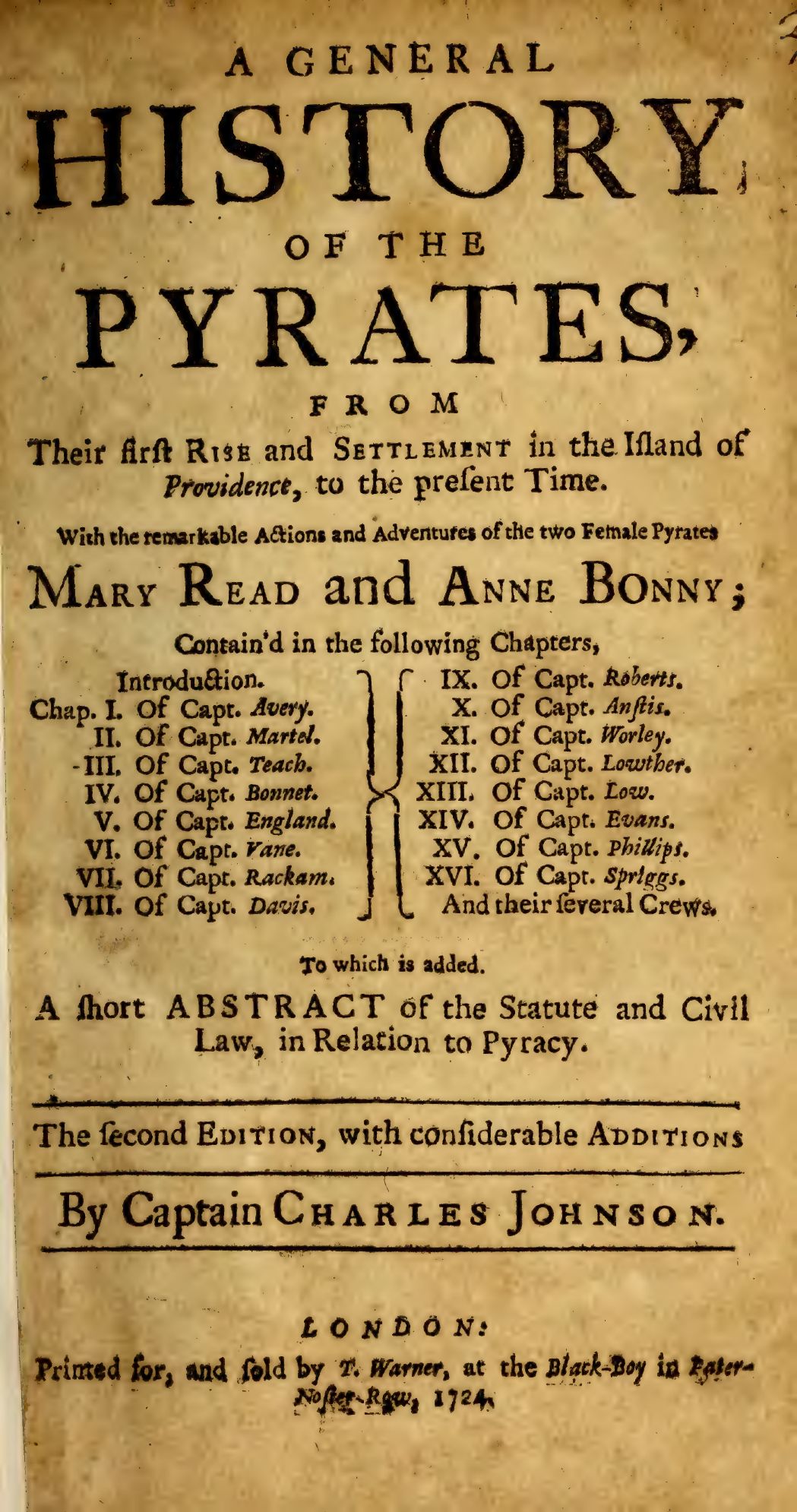
The book above is the other half of the story. Charles Johnson's General History, first published in 1724, is at once a near-contemporary source for the suppression and the principal myth-maker of the age's supposed coherence, the book that gave the pirates their faces and their unity. Where it is the sole carrier of a claim, the Archive caps that claim at Possible and frames it as tradition, not record. Possible The title page is a Confirmed publication artefact; the cap attaches to what rests on Johnson alone, not to the object.
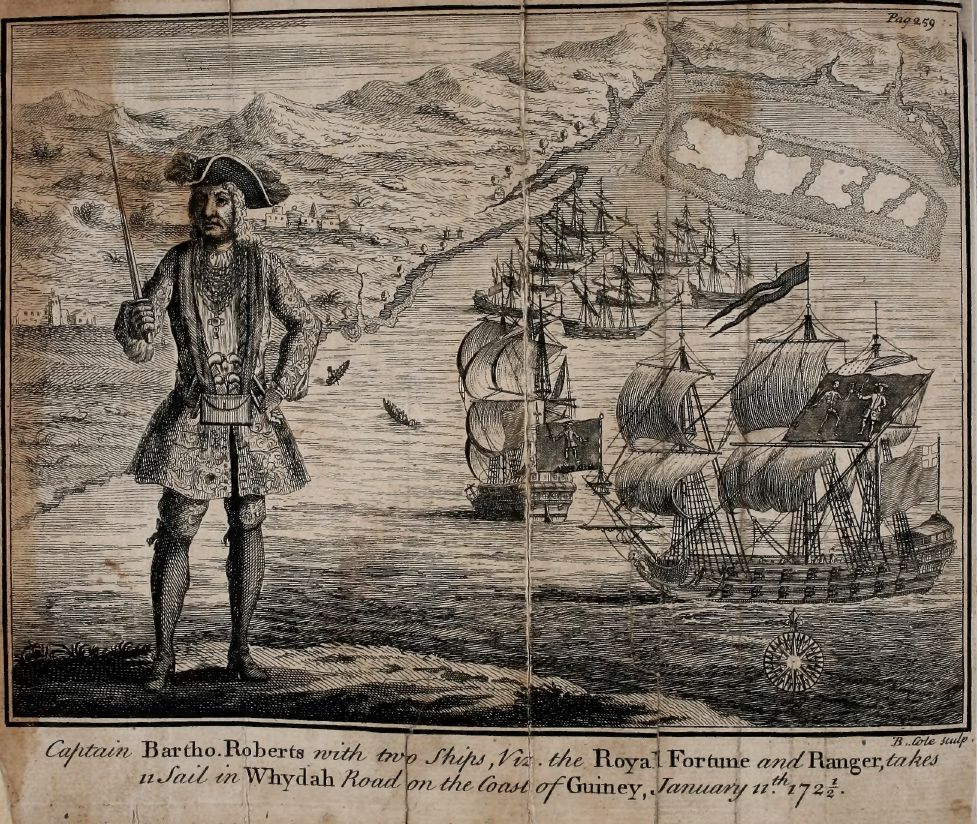
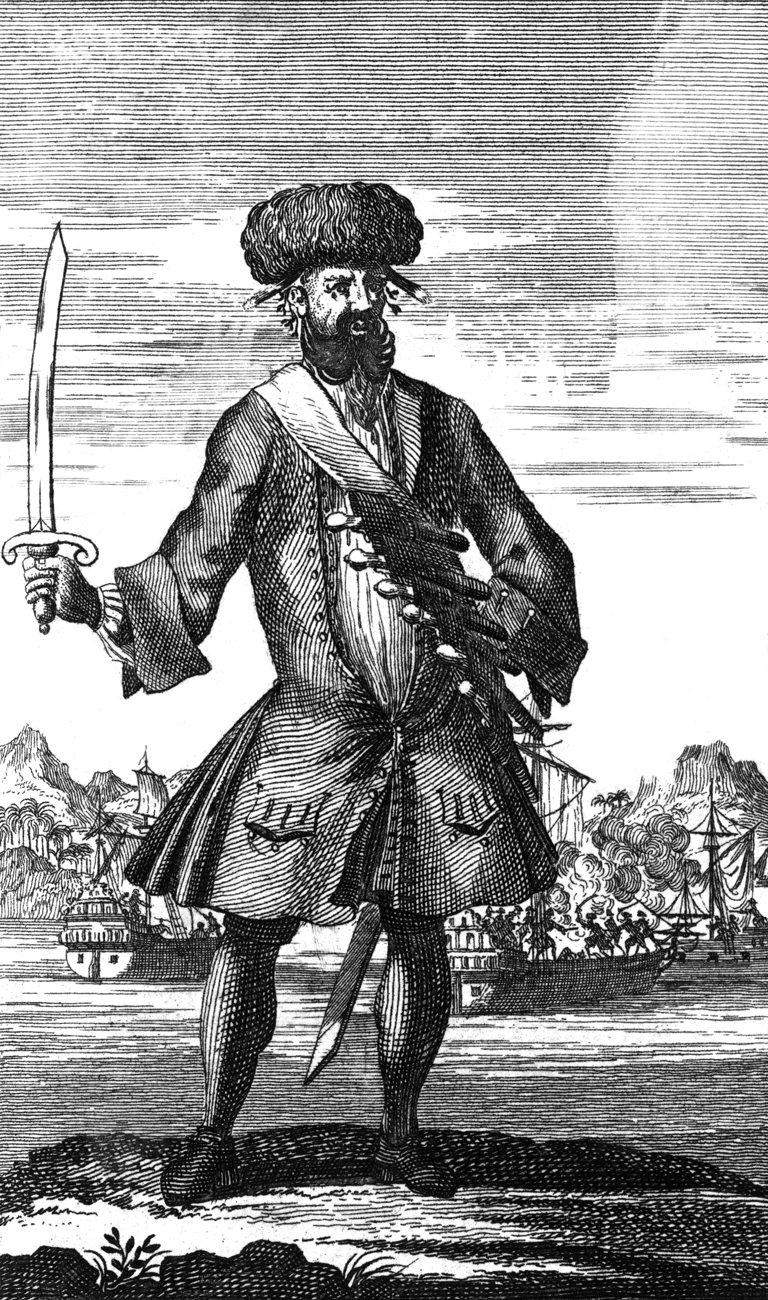
The end of the Golden Age theme gallery carries the periodisation and the fuller myth audit. What this room adds is the closing move: it ends not on a gallows but on a title page. The last thing to arrive in this story was its name, supplied by a book that invented the faces and a historian who was not there. The final room shows where the evidence for all of it is firm, and where it is still in boxes at Kew.
Records in this room
- Theme The End of the Golden Age The suppression of large-scale Atlantic piracy in roughly 1716 to 1726 by a coordinated state programme of law, navy, pardon and exemplary justice, and the modern 'Golden Age' construct itself. The label is a late-Victorian coinage; the events are real.
- Person Bartholomew Roberts Welsh pirate captain of the Royal Fortune, elected to command after Howell Davis was killed at Principe in 1719; cruised Brazil, the Caribbean, Newfoundland and West Africa; killed in action against HMS Swallow off Cape Lopez in 1722, after which fifty-two of his crew were hanged at Cape Coast Castle.